
Practice that adds up
Repeated studio time helps you understand form, control clay and solve problems more calmly.
Follow your own ideas
We support personal projects, so learning feels connected to what you want to make.
Flexible ways to attend
You can try one class first or book a longer run if you want steady progress.
Learn through regular time with clay
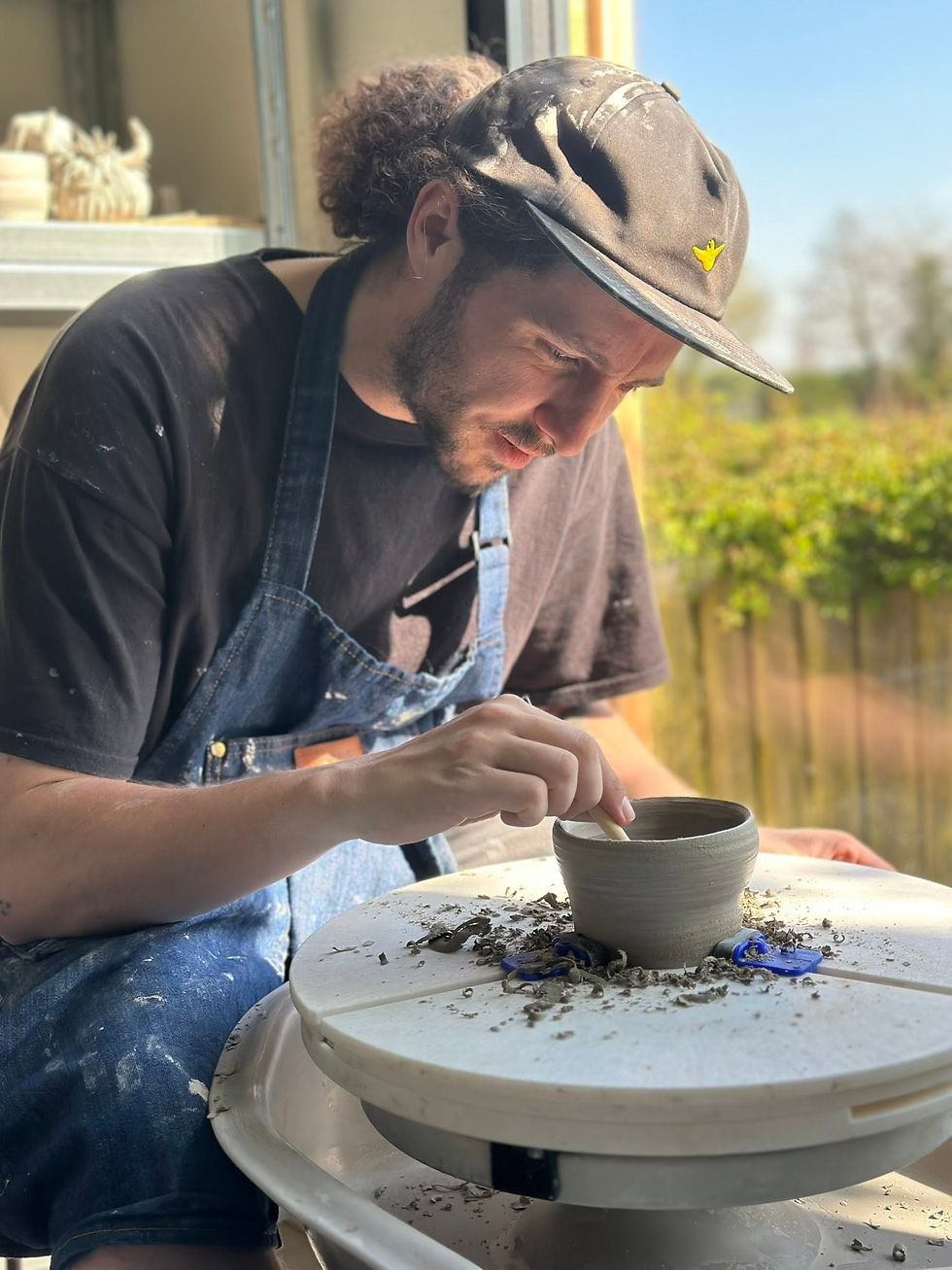
Our pottery classes in Nantwich give you the chance to build skill through regular, guided studio time. We start with how clay feels, how to prepare it and how to form it well, then help you notice what changes improve control. That matters if you've felt clumsy before or never known why a piece went wrong. Instead of working through an identical class exercise, we help you pursue your own ideas so each visit adds to both understanding and confidence.
Come once, or keep building from session to session
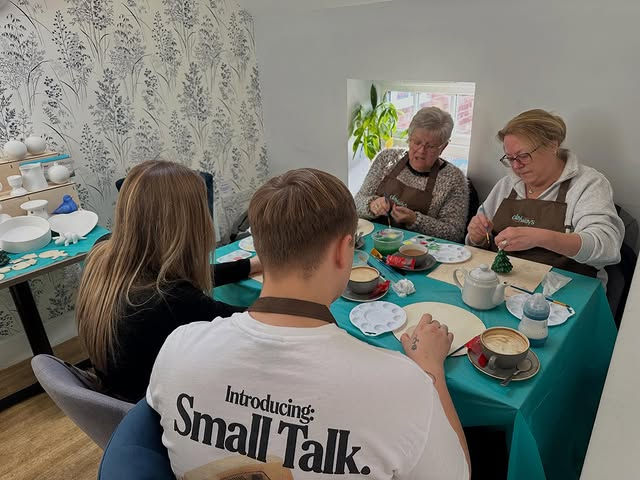
Some people join us for an occasional class when they want a creative break. Others return regularly because repeated practice is what turns early effort into steadier making. We run classes even when only one or two learners are booked, so progress does not depend on filling a room. You can pay for a single session or choose a block of five or ten if you want more continuity, more time to review results and more space to tackle longer pieces.
Frequently asked questions
Do your pottery classes suit complete beginners?
Yes. We explain the basics clearly and help you understand how clay responds at each stage. Early pieces do not need to be perfect to be useful. What matters is that you begin to recognise what your hands are doing and how to adjust.
Can I come to classes now and then, not every week?
Yes. Some learners attend occasionally and others come back more often. A single session is fine if that suits you. If you want more consistency, a five or ten session block gives you more chances to practise and build on previous work.
What if only a couple of people are booked?
We can still run sessions with one or two learners. That means you do not lose the chance to practise just because numbers are low, and it often gives you even more room to ask questions and work carefully through any sticking points.