
Questions are part of learning
We expect first-timer questions and answer them in clear, practical steps.
Start with a real piece
You work towards something meaningful, not just an exercise with no personal value.
A good base for next steps
Beginner skills carry into wheel work, slab building and future studio projects.
A clear starting point if clay feels unfamiliar
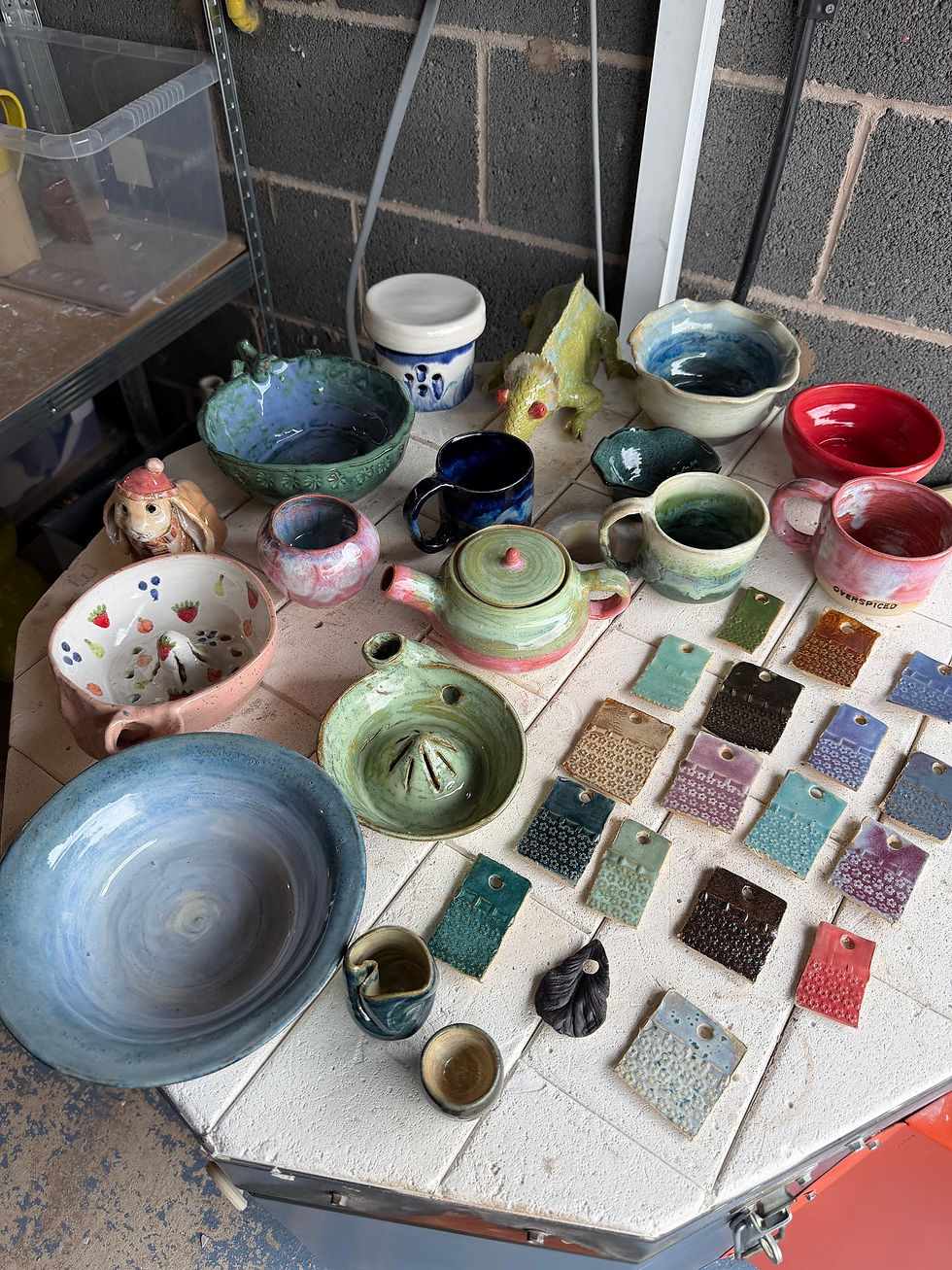
Our beginner pottery lessons in Nantwich are designed for people who want to try making pottery without feeling left behind in the first ten minutes. We introduce the basic habits that help, such as handling clay, forming it with care and noticing how it changes under your hands. If you are worried about getting it wrong, that's a normal place to start. We explain each stage plainly and help you work towards a piece that feels worth making, even while you are still learning the basics.
Learn foundations you can build on later
Early sessions are not about instant perfection. They are about understanding how clay responds and beginning to control it with more confidence. Those first skills create a useful base for later wheel throwing, slab building or more independent project work. Many learners begin with one visit, realise they enjoy the process and come back for more practice, because the next step feels possible once the first session has made the material less mysterious.
Frequently asked questions
Do I need any experience for beginner pottery lessons?
No. These sessions are for people starting from scratch as well as those returning after a long gap. We introduce the fundamentals carefully, so you can focus on understanding the clay and enjoying the making process without needing previous knowledge.
What should I expect from my first pottery class?
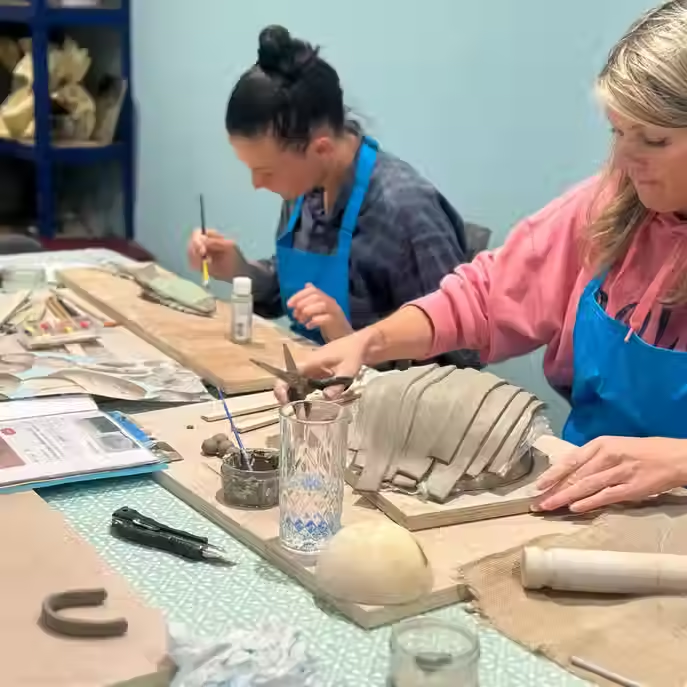
Expect a practical, hands-on session where we talk you through the basics and help you make a simple piece of your own. Your first result does not need to be technically perfect. What matters more is learning how clay behaves and how to respond to it.
Can beginner lessons lead on to other classes?
Yes. The skills you start with here can lead naturally into wheel throwing, slab building or more regular pottery classes. Many people use a first session to see how the studio feels, then return when they want more time to practise and build confidence.