
Useful for structured forms
Slabs make it easier to explore shapes that differ from round wheel-thrown pottery.
Join techniques explained clearly
We show you how scoring, moisture and support affect strength and alignment.
Design details stay personal
You can choose shape, texture and proportion instead of following a standard model.
Learn how strong Hand-built pieces come together
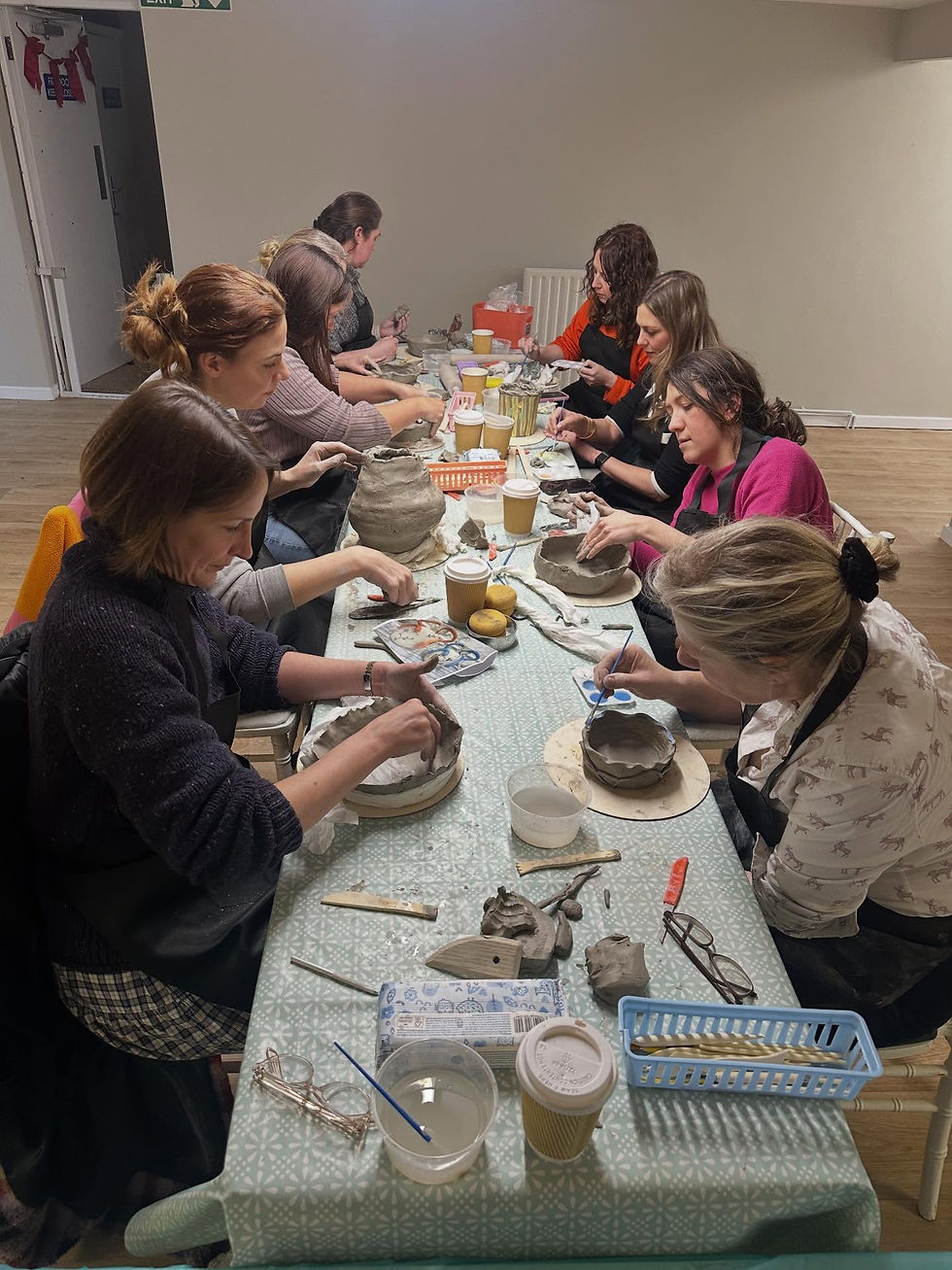
Our Hand building classes in Nantwich show you how to create pottery from rolled sections of clay, rather than forming it on the wheel. We guide you through making even slabs, planning templates, cutting components and joining sections cleanly, so the finished piece has a better chance of holding its shape. This method is especially useful if you are drawn to angular, flat-sided or more constructed forms and want to understand how to build them with care.
Control joins, moisture and support as you work
A good Hand-built piece depends on more than cutting shapes and sticking them together. We help you manage clay thickness, scoring, joining and the moisture balance that affects strength and distortion. You also learn when a form needs support and when it should be left to firm before the next step. That staged approach helps if you've had seams crack, edges sag or sections shift out of line when building by hand.
Frequently asked questions
What does Hand building mean in pottery?
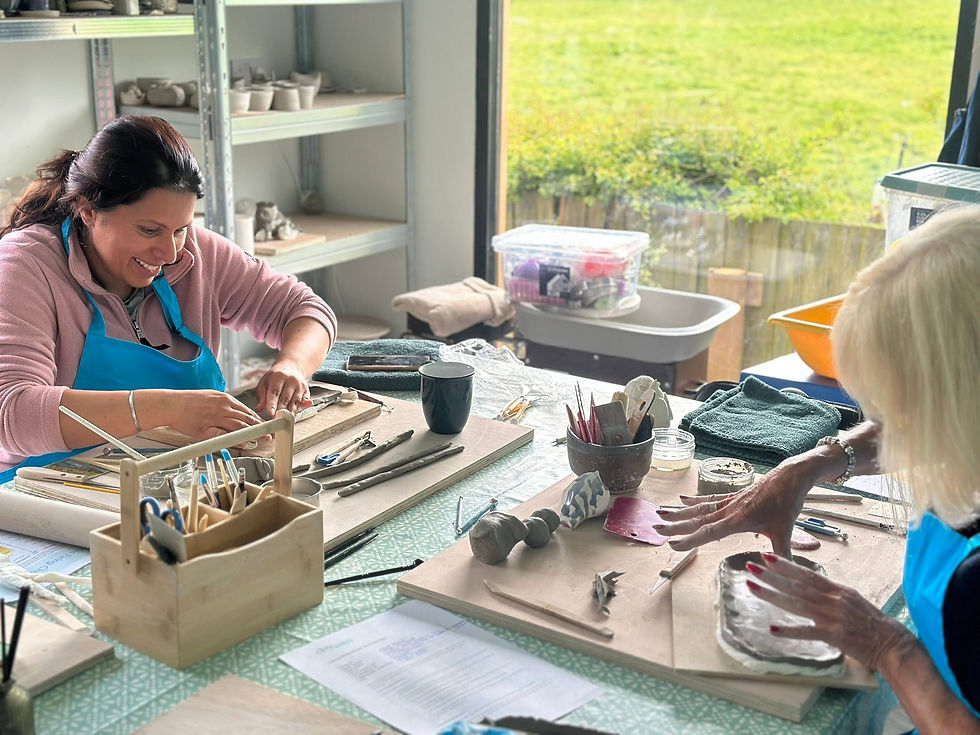
Hand building is a hand-building method that uses rolled pieces of clay to make a form. You cut, join and support sections as needed, which makes it especially good for flat-sided, angular or more architectural shapes that are not naturally wheel-thrown.
Why do slab-built seams crack?
Cracks often come from poor scoring, weak joins or uneven moisture between sections. In class, we show you how to prepare seams properly and when to slow down so the clay can firm. Those small decisions make a big difference to strength and shape.
Can I make my own design in class?
Yes. We encourage individual choices in shape, texture and detail. We still guide the practical side of the build, but you are not limited to one fixed project, so the piece can reflect what you actually want to explore.